

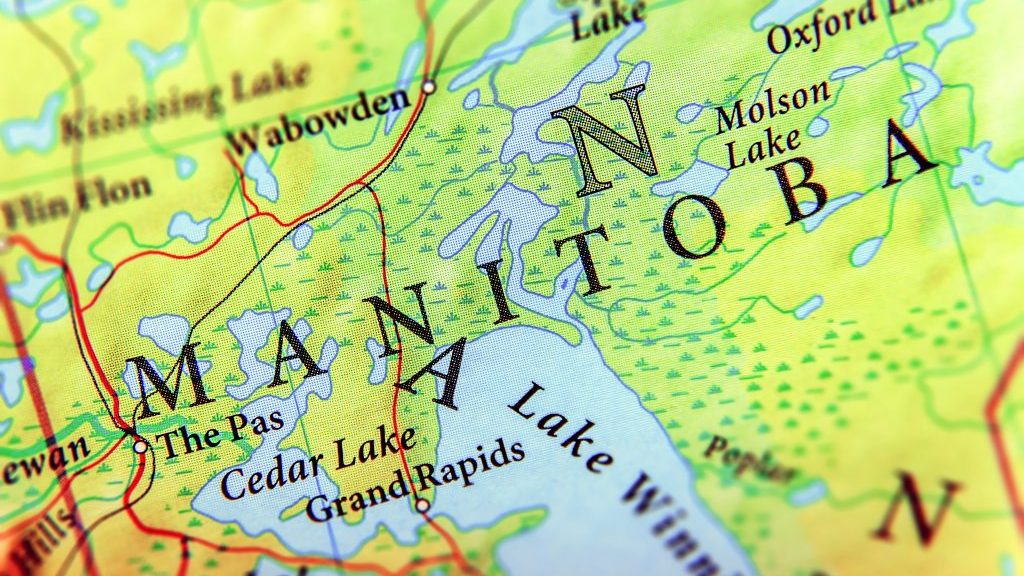
There are 137 incorporated municipalities in Manitoba and on Oct. 28 their eligible voters will elect to office mayors, reeves and councillors as well as school trustees.
Whoever wins, the results will be consequential for Manitoba’s Â鶹´«Ã½Ó³» industry.
Felicia Wiltshire, vice-president of the Manitoba Heavy Construction Association (MHCA), says Winnipeg’s next municipal government should make economic growth a priority.
“A growing economy creates jobs, attracts investment, expands the municipal tax base and generates the revenues needed to support the roads, infrastructure and core services that Winnipeg residents and businesses rely on every day,� says Wiltshire. “Winnipeg cannot build a stronger future by continually placing greater pressure on property taxpayers. We need to grow the economic base that supports the city.�
The MHCA has five priorities:
- Create a chief economic development officer position at the executive leadership level of the city.
- Establish a working group to review the long-term funding model for local and regional streets.
- Accelerate the use of recycled concrete aggregates in municipal infrastructure projects.
- Commit to advancing and funding the Route 90 expansion project
- Advance the Chief Peguis Trail extension as a major economic development and housing-enabling project.
The Winnipeg Construction Association (WCA) also has priorities for the city’s next mayor and council.
WCA president and CEO Darryl Harrison says it has three.
First, the city needs to fund and deliver the major projects Winnipeg depends on, such as completing the North End Water Pollution Control Centre upgrade and widening Kenaston Boulevard (Route 90).
Second, the city needs to make it easier to build, particularly multi-family, commercial and industrial buildings.
“That starts with a more efficient permits department,� says Harrison. “It also means giving builders better information on wastewater capacity at the neighbourhood level.
“Some parts of Winnipeg no longer have pipes in the ground that can support densification. Developers need to know that before they invest and council needs to know it before it sets housing targets.�
Third, because the City of Winnipeg is a large buyer of Â鶹´«Ã½Ó³» services Harrison says it should buy them fairly.
“The city has started a pilot using standard CCDC (Canadian Construction Documents Committee) contract documents, which is a good step,� he says.
“We want CCDC contracts used on all city Â鶹´«Ã½Ó³» work from now on. Standard contracts mean fairer risk, sharper pricing and more local firms willing to bid.”
The WCA has asked every candidate for mayor and council three questions: Will you buy Â鶹´«Ã½Ó³» fairly? Will you fix permitting and development services? And will you actually deliver the major projects this city needs?
“We’ve laid out each priority in a short video, and candidates are posting their answers at TogetherWeBuild.ca,â€� says Harrison.
Jeremy Read, CEO of the University of Winnipeg Community Renewal Corporation and UWCRC 2.0 Inc., which he says is the biggest developer in downtown Winnipeg, says the new mayor and council need to work to make the city sustainable.
“They should not unduly extend its footprint outwards and also make use of the city’s current supply of infrastructure,� says Read. “The new administration also needs to prioritize affordable housing. We must have an adequate supply of affordable housing in order to combat homelessness.�
Homelessness and the related problems of drug-dealing and overdoses are important issues in the upcoming elections in Winnipeg, says Christopher Adams, adjunct professor of political science at the University of Manitoba.
“Winnipeg is in crisis,� says Adams. “People are fleeing the centre and development is taking place in the outer suburbs. Some people believe moving the freight yards and replacing them with affordable housing will help.�
Outside of Winnipeg, Shawn Wood, executive director of the Construction Association of Rural Manitoba (CARM), says the towns, cities and villages in rural Manitoba need to look ahead and ensure they have the infrastructure they need to support growth in their communities as well as sufficient housing.
“Rural Manitoba is in a position to capitalize on its abundance of natural resources, especially in the mining industry,� says Wood. “The building of mines and the additional jobs and families moving into an area will add to the pressure on the local infrastructure, and the time to address those pressures is now.�
Woods says CARM has been in touch with Brandon’s mayoral candidates regarding planning for future projects, procurement practices and development cost charges.
“The respondents have agreed that, with proper planning, the risk to cancelling projects lessens, and the ability to obtain more competitive bids increases,� says Wood.






Recent Comments
comments for this post are closed