

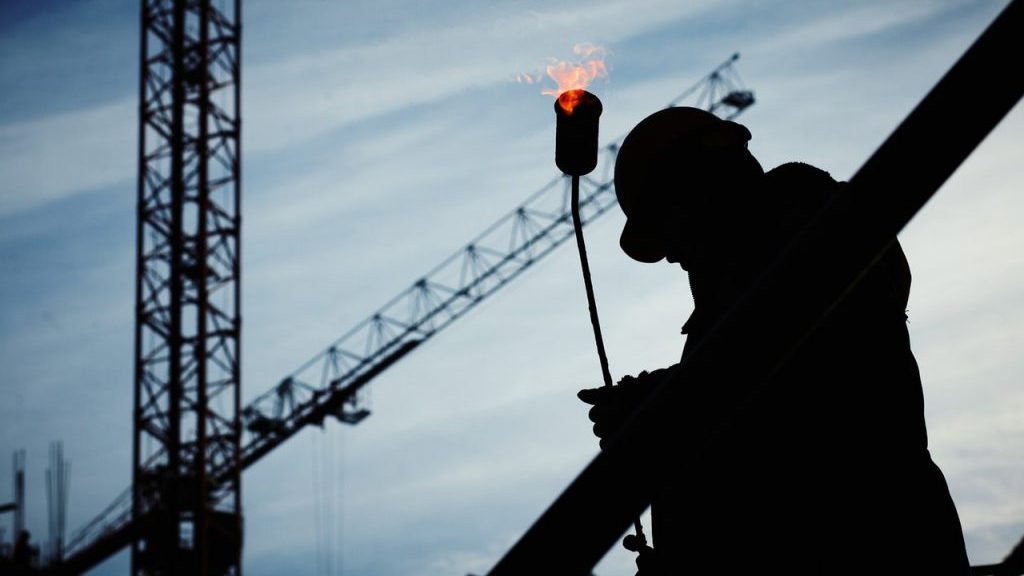
RICHMOND, B.C. — As weather conditions change this fall, WorkSafeBC is urging employers and workers to take steps to prevent slips, trips and falls.
According to the organization, injuries from these incidents increase by 37 per cent between November and March.
Slips, trips and falls on the same level account for nearly 7,000 accepted WorkSafeBC claims each year, representing about 12 per cent of all accepted claims. These injuries result in an average of 500,000 lost workdays and more than $200 million in annual claim costs.
What’s more, between 2021 and 2025, 11 workers died due to falls on the same level.
While these incidents can occur in almost any work environment, they are especially common in the service sector. From 2021 to 2025, more than half of all accepted slips, trips and falls claims came from this sector.
Trades, Â鶹´«Ã½Ó³», transportation and warehousing, and manufacturing accounted for the next highest number of claims. Common hazards include wet or uneven surfaces, poor housekeeping, inadequate lighting and obstacles in walkways, the release notes.
Employers can help prevent slips, trips and falls by developing and implementing a risk management plan that uses the to identify hazards, implement controls, and monitor workplace health and safety risks.
Some examples are:
- Install electrical wires, cords and hoses where they won’t create tripping hazards.
- Install covers, drip pans, containers, or containment rooms to prevent the release of contaminants from equipment to the floor.
- Store all tools, equipment and materials in designated locations.
- Determine the right footwear for workers based on the slip and trip hazards in the workplace.
Employers should also engage their workers and joint health and safety committees early in the risk assessment process.





Recent Comments
comments for this post are closed