

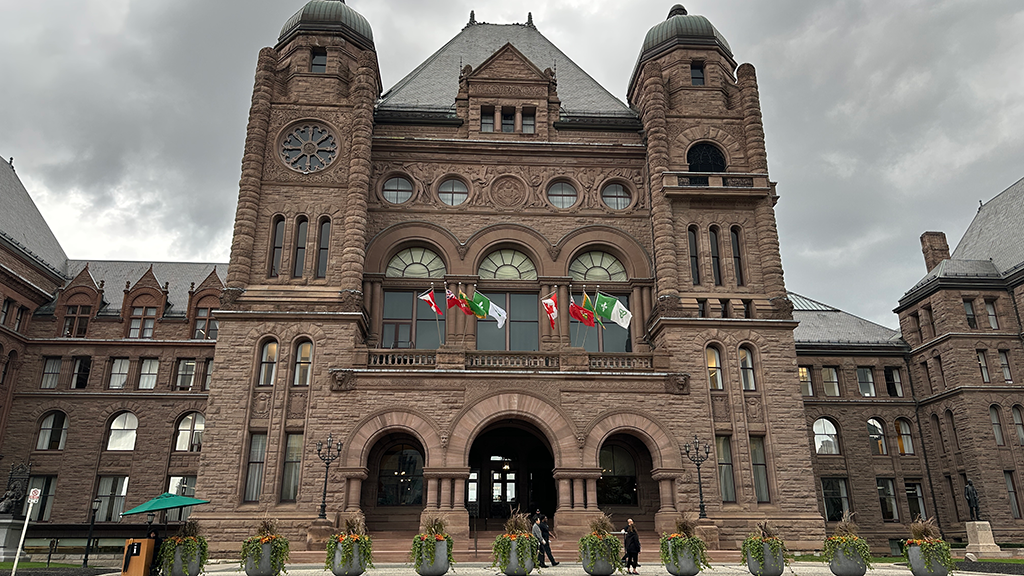
TORONTO — The Province of Ontario is proposing legislative changes to make the archeological assessment process faster and easier to navigate.
The proposed changes will reduce approval timelines by up to 80 per cent, increase sector capacity by 45 per cent and help get homes and infrastructure built faster while protecting the province’s cultural heritage resources, a release reads.
The current four-stage archeological assessment process can take up to 64 months to complete.
include:
- Streamlined archeological assessments by introducing a faster and more efficient approval process that will reform outdated standards and guidelines, cut administrative burden for low-risk projects and implement exemptions for small-scale residential projects.
- Enhanced sector oversight and compliance framework by introducing a risk-based enforcement approach that aligns with other Canadian jurisdictions, eliminates unnecessary licensing requirements and recognizes qualified professionals across jurisdictions.
- Advanced digital tools by replacing outdated systems, improving archeological mapping and data collection and expanding user access by integrating services into Ontario’s Centralized Digital Permitting Service.
The changes announced build on the Heritage Framework Transformation, which is a multi-year initiative to modernize heritage policies, processes and digital tools. Through this work, Ontario has already eliminated a backlog of more than 3,000 archeological reports.
The province states it will implement the proposed changes in phases, beginning in early 2027 with enhanced compliance and enforcement tools, access to the CDPS and exemptions for certain small-scale residential projects. Further work will be undertaken, in consultation with Indigenous communities and sector partners, to support the transition to a new authorization framework.






Recent Comments
comments for this post are closed