

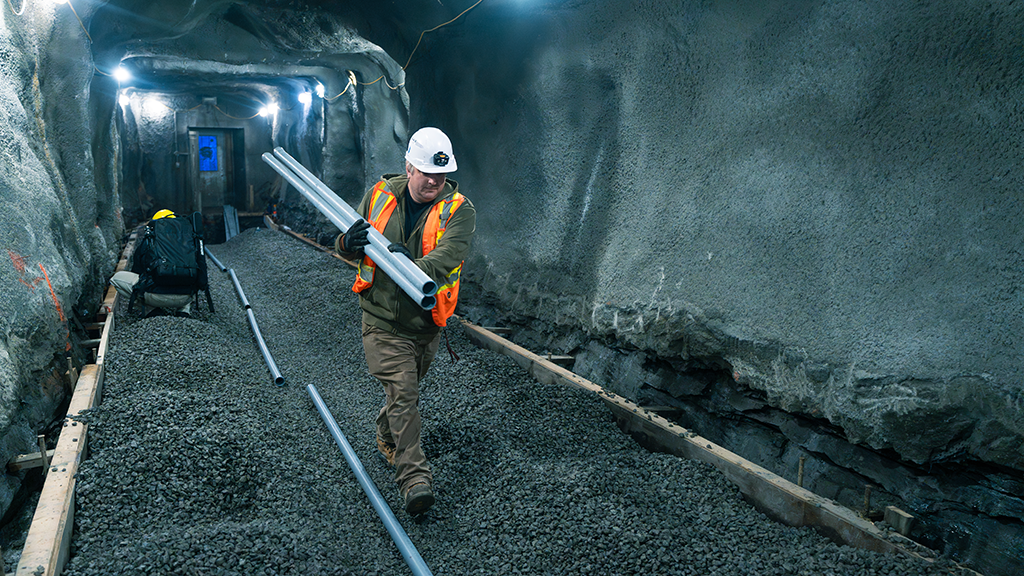
Niagara Parks most popular attraction, Journey Behind the Falls, is getting a $25 million renovation from its earned revenue.
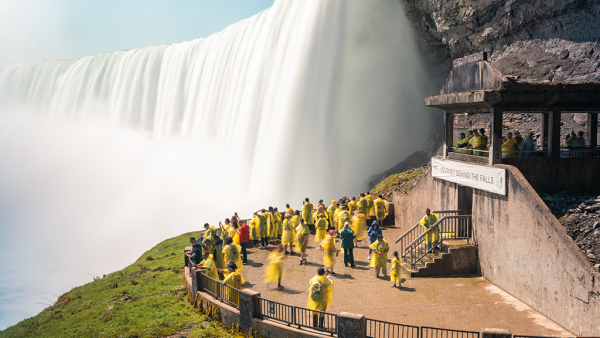
The attraction is undergoing its biggest transformation in decades by reopening a tunnel that has sat closed since the Second World War as well as adding two new, year-round, all-weather viewing platforms to replace the attraction’s aging 1951 rainbow platform.
Rankin Â鶹´«Ă˝Ół» and Ellis Engineering are the contractors selected for the project after an RFP process.
“The new platform will incorporate a design-build approach. The overall design is intended to naturally integrate into the gorge rock face, providing opportunities for year-round viewing through the use of heated concrete and a protective roof structure,” said Niagara Parks chief operating officer Marcelo Gruosso.
The project is outlined as follows:
Phase one, opening summer 2027
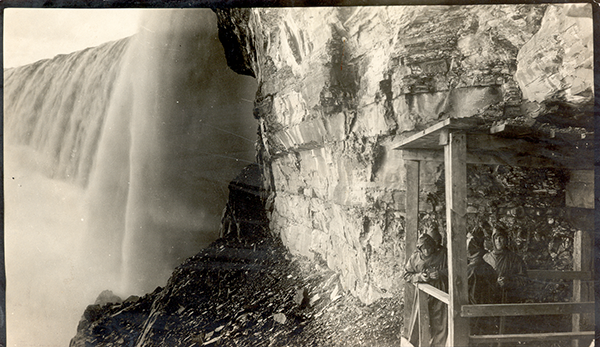
- Expanding the attraction’s tunnel network to include the original tunnel built in 1903 that was previously closed during the Second World War.
- Carved rock walls and exposed wooden beams to show what the tunnel would have looked like when it opened at the turn of the century.
- Development of a brand-new, year-round viewing platform that will give a panoramic perspective of Niagara Falls with elevated, sweeping views of the entire Niagara Gorge over all four seasons.
- The opening of the new platform in the summer of 2027 will allow Journey Behind the Falls to remain open while Niagara Parks redevelops the existing Rainbow Platform.
Phase two, opening summer 2028
- Fully redeveloped lower observation deck featuring a year-round, modern and innovative design with enhanced accessibility.
- New observation platform that will bring guests closer to Horseshoe Falls.
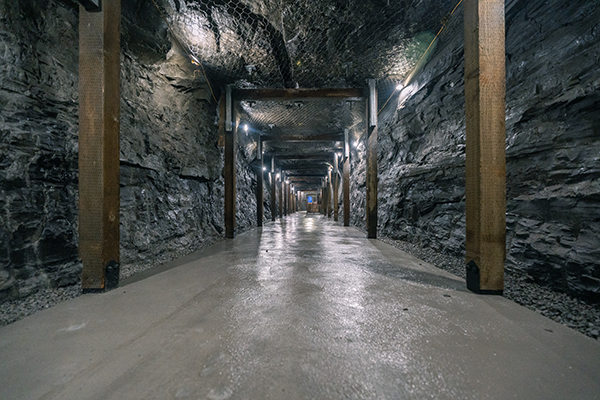
According to Gruosso, the historic tunnel was stabilized this past spring incorporating the following work:
- Rock anchoring, the use of galvanized steel mesh, shotcrete.
- Addition of stainless-steel railings, lighting, drainage and a concrete walkway for accessibility.
In a news release from Niagara Parks, it details that Journey Behind the Falls has been bringing guests125 feet below ground to stand face-to-face with the Horseshoe Falls for over 130-years.
The redevelopment aims to enhance the year-round guest experience while increasing capacity and supporting future growth at the attraction.
The attraction’s history includes:
- The first tunnels opened in 1889, extending 150 feet below the surface to offer visitors a true behind-the-falls perspective.
- In 1903, a new scenic tunnel was constructed as part of an agreement with the Ontario Power Company to support hydroelectric power generation.
- That tunnel was then closed to the public during the Second World War and following an inspection in 1944, it was abandoned.
- That same year, a new concrete-lined, electrically lit tunnel was cut approximately 18 metres behind the original and remains in use today.
- In 1951, Niagara Parks opened the Rainbow Platform.
According to Niagara Parks, the project aligns with the province’s Destination Niagara Strategy, that aims to double annual visitation to Niagara, expand the region’s economic impact, raise the destination’s global profile and attract more private investment.
Recent Comments
comments for this post are closed